If you’ve ever wondered how to calculate lunar age and what it actually means, you’re not alone. For a detailed overview of age calculation methods and easy tools to try for yourself, visit Your Age Calculator — an excellent online resource for computing both solar and lunar ages quickly and accurately. Calculating lunar age is more than simple math; it’s rooted in ancient calendrical systems used in East Asian cultures, where a person’s age and timing of events are traditionally determined by the cycles of the moon rather than by the solar year.
What Is Lunar Age
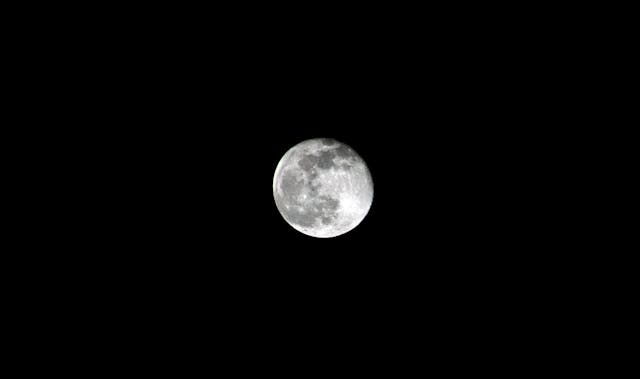
Lunar age is a way of measuring a person’s age based on the lunar calendar instead of the Gregorian calendar used internationally today. In the lunar system, one year equals about 354 days, which is why lunar age often differs from actual calendar age. Traditionally, a baby’s lunar age starts at one year old at birth, and an additional year is added during each Lunar New Year celebration, not at their birthday according to the solar calendar. That’s why someone might appear one or two years older in lunar age compared to their solar age.
Why People Use the Lunar Age System
Lunar age is still widely referenced in traditional cultures such as Chinese, Korean, and Vietnamese communities. It is often used to determine compatibility in astrology, to choose auspicious dates for ceremonies, or to understand cultural identity through heritage. Many people appreciate that lunar age connects them with older traditions that emphasize alignment with natural rhythms and lunar cycles. Understanding how to calculate lunar age is also important for certain interpretations of Chinese astrology and the lunar birth chart system that forecasts life events and personal traits.
How to Calculate Lunar Age Step by Step
- Find your birthdate according to the solar calendar (for example January 10, 1990).
- Locate the corresponding lunar date for your birth using a lunar calendar conversion (digital tools or traditional tables can help with this).
- Determine the current year’s lunar date or check when the most recent Lunar New Year occurred.
- Calculate the difference between your birth lunar year and the current lunar year.
- Add one year to represent the traditional “one-year-old at birth” system.
For example, if you were born in December 1990 (solar calendar), your lunar birthday likely falls in the eleventh month of the lunar year. By 2026, your lunar age would be roughly your solar age plus one or two years, depending on whether the Lunar New Year has passed at the time you calculate it.
How It Differs From Solar Age Calculation
Solar age simply counts the time from your date of birth based on the Earth’s rotation around the sun. Lunar age counts cycles of the moon’s orbit, which is slightly shorter than a solar year. This difference in length accumulates over time, making lunar age gradually diverge from solar age. In cultural and astrology contexts, lunar age provides unique insights because it relates to energy patterns that follow the waxing and waning of the moon, symbolizing cycles of growth and renewal.
Practical Examples and Uses
Many people use lunar age when consulting traditional fortune-telling systems such as the Chinese Zodiac, selecting wedding or birth dates, or observing cultural festivals. For instance, when determining your zodiac chart or performing feng shui adjustments, experts often request your lunar age rather than your solar one. This applies as well in traditional medicine and rituals where lunar timing influences interpretation.
Tips for Accurate Lunar Age Calculation
Always verify your lunar date using an updated lunar calendar or trustworthy online calculator
Remember that the lunar year starts at Chinese New Year and does not match January 1
If you were born before Chinese New Year, your lunar age may appear one year older; if after, you might need to wait until the next Lunar New Year for the age increment
Knowing how to calculate lunar age gives you deeper insight into traditional timekeeping and cultural symbolism that still plays a role in modern life. It helps bridge scientific calculation and tradition by recognizing that lunar cycles are just as meaningful to many people as solar ones. Whether you’re calculating your zodiac chart, exploring family history, or simply curious about how ancient cultures measured time, understanding the lunar system widens your perspective on age and identity. Check out Your Age Calculator for easy conversion tools and to explore both lunar and solar age methods in a quick, user-friendly way.