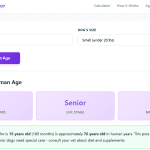
Many pet owners often wonder how do you calculate dog’s age in a way that truly reflects your furry friend’s stage of life While the old rule of thumb saying one dog year equals seven human years has been popular for decades modern veterinary science shows it is far more complex The most accurate way to understand your dog’s age involves considering breed size genetics and overall health For more detailed and interactive tools you can visit Your Age Calculator which offers easy-to-use resources to find your dog’s true age

Understanding Why Dog Aging Is Complex
Dogs do not age at a consistent rate compared to humans Puppies mature far faster during their first couple of years and the pace of aging slows down afterward In small breeds like Chihuahuas or Dachshunds maturity milestones and expected lifespan differ dramatically from large breeds such as Great Danes or Saint Bernards This is why using a single formula for all dogs often produces misleading results
Scientific Approach To Dog Age Calculation
Recent research from veterinary experts proposes using logarithmic or breed-specific formulae rather than the traditional seven-year ratio The calculation typically starts by identifying your dog’s age in calendar years then adjusting it according to size and breed For example a Labrador may reach full adulthood by age two whereas a Yorkshire Terrier might take longer to reach equivalent maturity Applying the accepted conversion method and factoring in resilience or predisposition to certain conditions will yield a more accurate human-age equivalent
The Role Of Breed And Size
Small dogs often live longer and age more slowly than large dogs because their heart rate metabolism and stress on joints vary significantly Medium breeds fall somewhere in between By placing your dog into its correct category based on weight and breed you can make a more precise calculation Professional charts and calculators will help you determine the accurate human-age match for your specific pet rather than relying on outdated universal formulas
Health And Lifestyle Considerations
Diet exercise and preventive veterinary care are critical elements in how your dog ages A healthy dog with a balanced diet and regular workouts will have a slower aging process compared to one with poor nutrition or limited physical activity Dental health heart function and muscle condition also affect how old your dog might feel in human terms Sometimes lifestyle adjustments can effectively reduce the biological age compared to the chronological one
Knowing how do you calculate dog’s age correctly helps you provide better care and adjust activities for your pet’s needs It influences dietary plans exercise routines and even veterinary check-up schedules By combining scientific formulas breed-specific data and lifestyle information you can understand your dog’s stage of life with greater clarity and accuracy This knowledge will help you enjoy more meaningful years together ensuring their happiness and longevity